
Benefits of Dry Needling
Dry needling offers several potential benefits when appropriately integrated into a treatment plan:
- Pain Reduction: It can help relieve acute or chronic musculoskeletal pain, especially from tight muscles and trigger points.
- Improved Range of Motion: By reducing muscle tightness, dry needling can increase flexibility and joint mobility.
- Enhanced Muscle Function: It may help improve muscle activation and neuromuscular control, which is particularly valuable in rehabilitation.
- Faster Recovery & Healing: The micro-trauma caused by needling can stimulate the body’s healing processes, promoting increased blood flow and tissue repair.
- Synergy with Other Rehab Approaches: Research supports combining dry needling with therapeutic exercise (especially eccentric exercises) to treat conditions like tendinopathy.
- Safe & Well-Tolerated: Evidence suggests that, when performed by trained professionals under sterile conditions, dry needling has a low risk of serious complications.
Who Can Benefit From Dry Needling
Dry needling may be especially helpful for:
- Individuals with chronic or persistent muscle pain, including myofascial trigger points
- Patients recovering from injuries or surgery who experience muscle tightness or limited mobility
- People with tendinopathies, such as in the shoulder, elbow, or knee — especially when combined with exercise
- Athletes who want to improve muscle recovery, flexibility, or performance
- Anyone experiencing limited range of motion due to tight or overactive muscles
How Dry Needling Works (Mechanism)
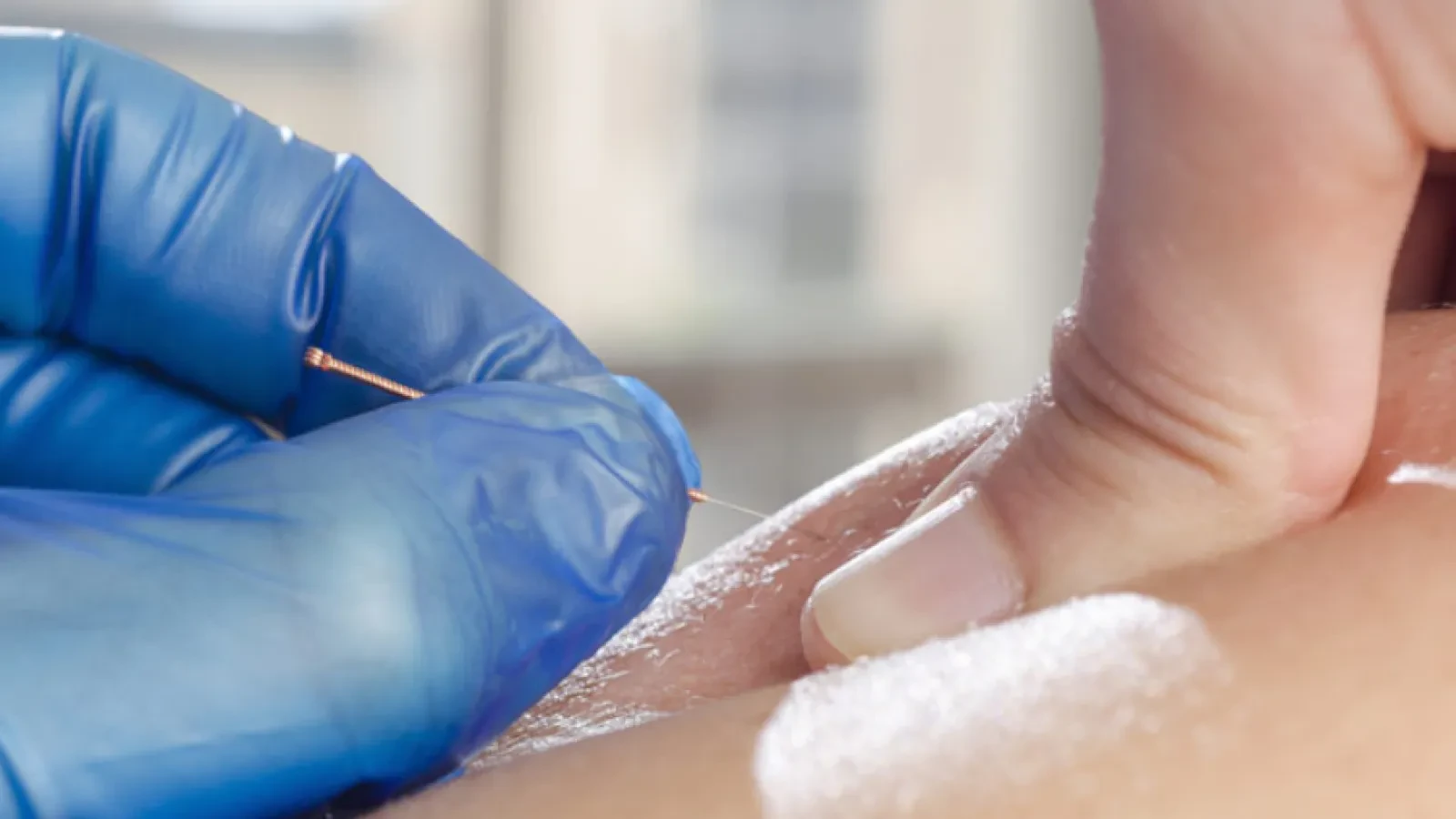
- Local Twitch Response: Insertion into a trigger point often causes a brief involuntary contraction (“twitch”), which helps reset muscle tone.
- Neurochemical Modulation: Needling activates sensory nerves, which may trigger the release of pain-inhibiting neurotransmitters (like GABA or serotonin) and engage pain-modulating pathways in the spinal cord and brain.
- Improved Circulation: The mechanical stimulation increases blood flow to the treated area, delivering oxygen and nutrients while clearing metabolic waste.
What to Expect During Treatment
- Your clinician will assess your muscles, movement, and pain to identify trigger points
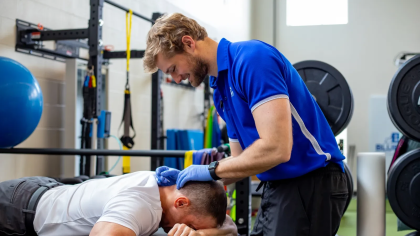
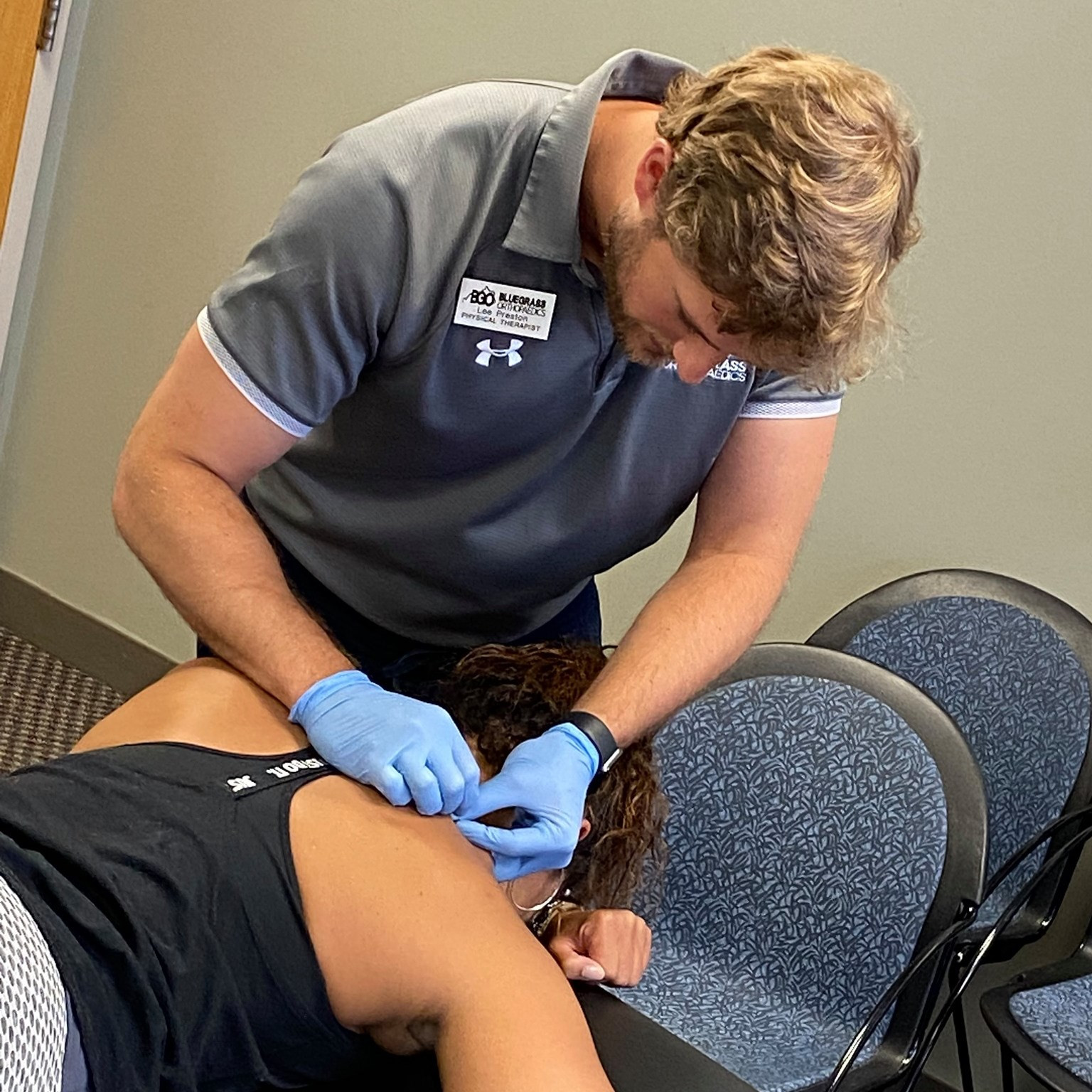
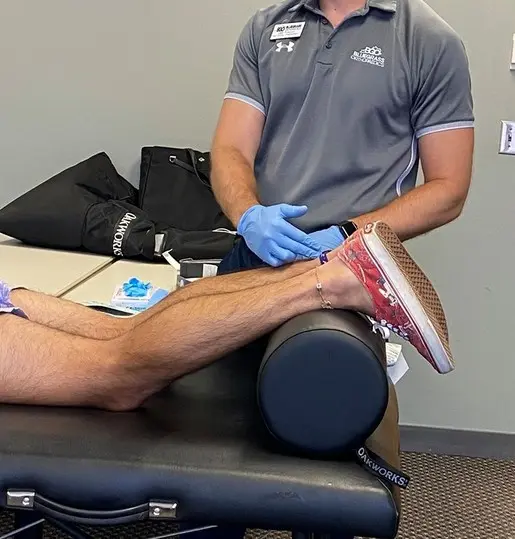
- Sterile, single-use needles are inserted into targeted areas.
- You may feel a local twitch or slight discomfort — but many patients find it tolerable and brief.
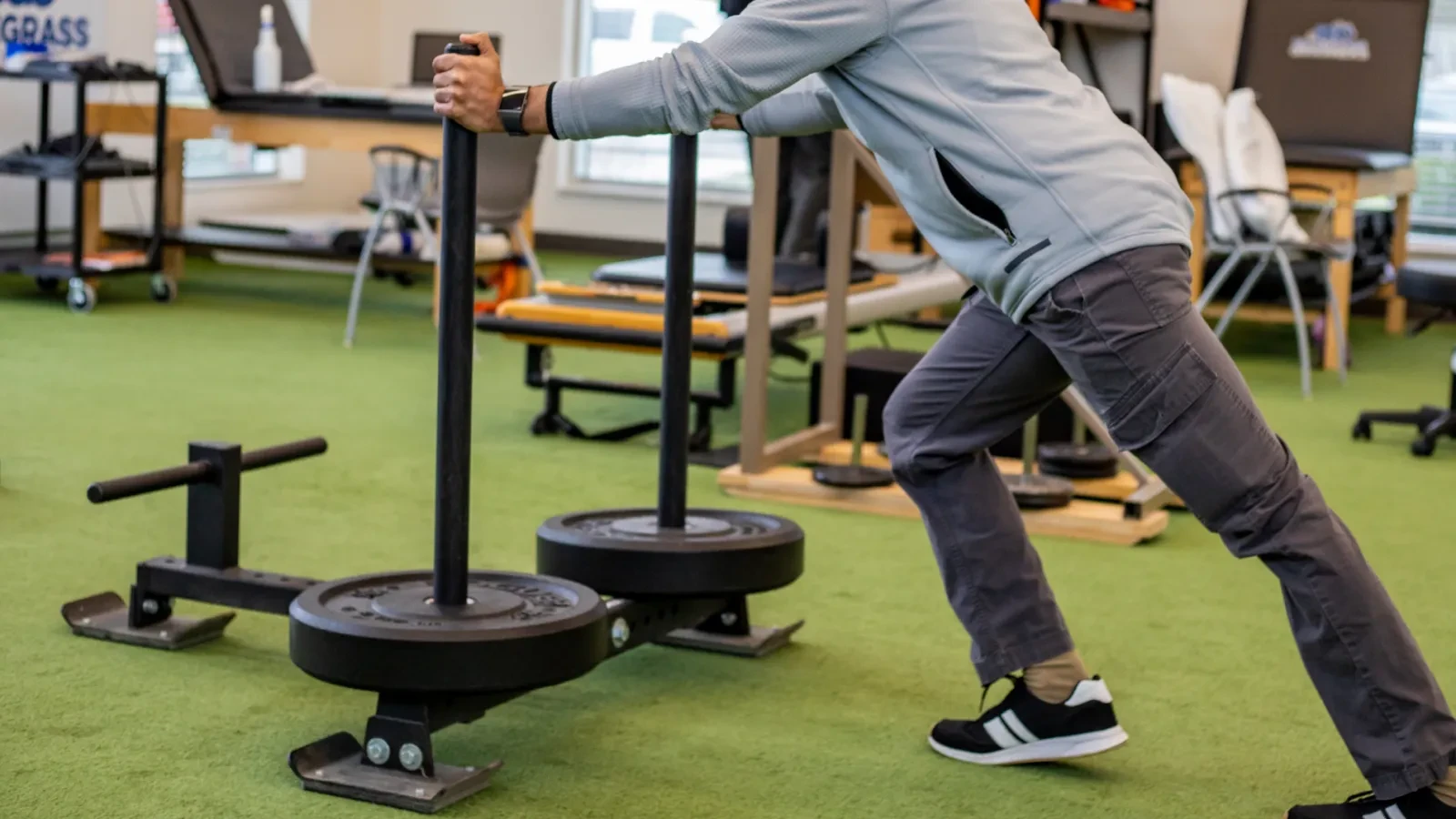
- Sessions are usually part of a larger rehab plan, often combined with exercise, stretching, and manual therapy.
- Afterward, you may experience some soreness for a day or two, but it often resolves quickly.
Is Dry Needling Right for You?
Dry needling can be a powerful tool in a larger rehabilitative or pain-management plan — but it's not a cure-all. It works best when:
- Paired with physical therapy, exercise, and manual interventions
- Delivered by practitioners with proper training and experience
- Tailored to your individual health, anatomy, and goals
If you're interested, talk with your Bluegrass Orthopaedics provider or physical therapist about whether dry needling could be a beneficial part of your treatment.