Schedule Appointment

Labral Tear of the Hip (Acetabular Labrum Tear) Treatment in Central Kentucky

A labral tear of the hip, also called an acetabular labrum tear, is an injury to the ring of cartilage (the labrum) that surrounds the hip socket. The labrum acts like a gasket, helping keep the ball of the hip joint stable, absorbing shock, and allowing smooth movement. When this cartilage becomes torn from injury, repetitive hip motion, structural issues like hip impingement (FAI), or degeneration over time, it can cause pain and mechanical symptoms. People with a hip labral tear often experience groin or hip pain, clicking or catching sensations, stiffness, or a feeling that the hip is “giving out.” While some tears improve with rest and therapy, others may require advanced treatment or arthroscopic surgery depending on severity and symptoms.

BGO Labral Tear of the Hip (Acetabular Labrum Tear)

Labral Tear of the Hip (Acetabular Labrum Tear)

Why Choose Bluegrass Orthopaedics for Labral Tear of the Hip (Acetabular Labrum Tear)

Bluegrass Orthopaedics is a strong choice for hip labral tear care because they offer specialized hip experts, advanced imaging, and minimally invasive arthroscopic surgery when needed. Their team provides coordinated care in one place—including diagnosis, therapy, and rehab—and focuses on personalized, conservative treatment options before recommending surgery. This comprehensive approach helps ensure accurate diagnosis, effective treatment, and a smoother recovery.
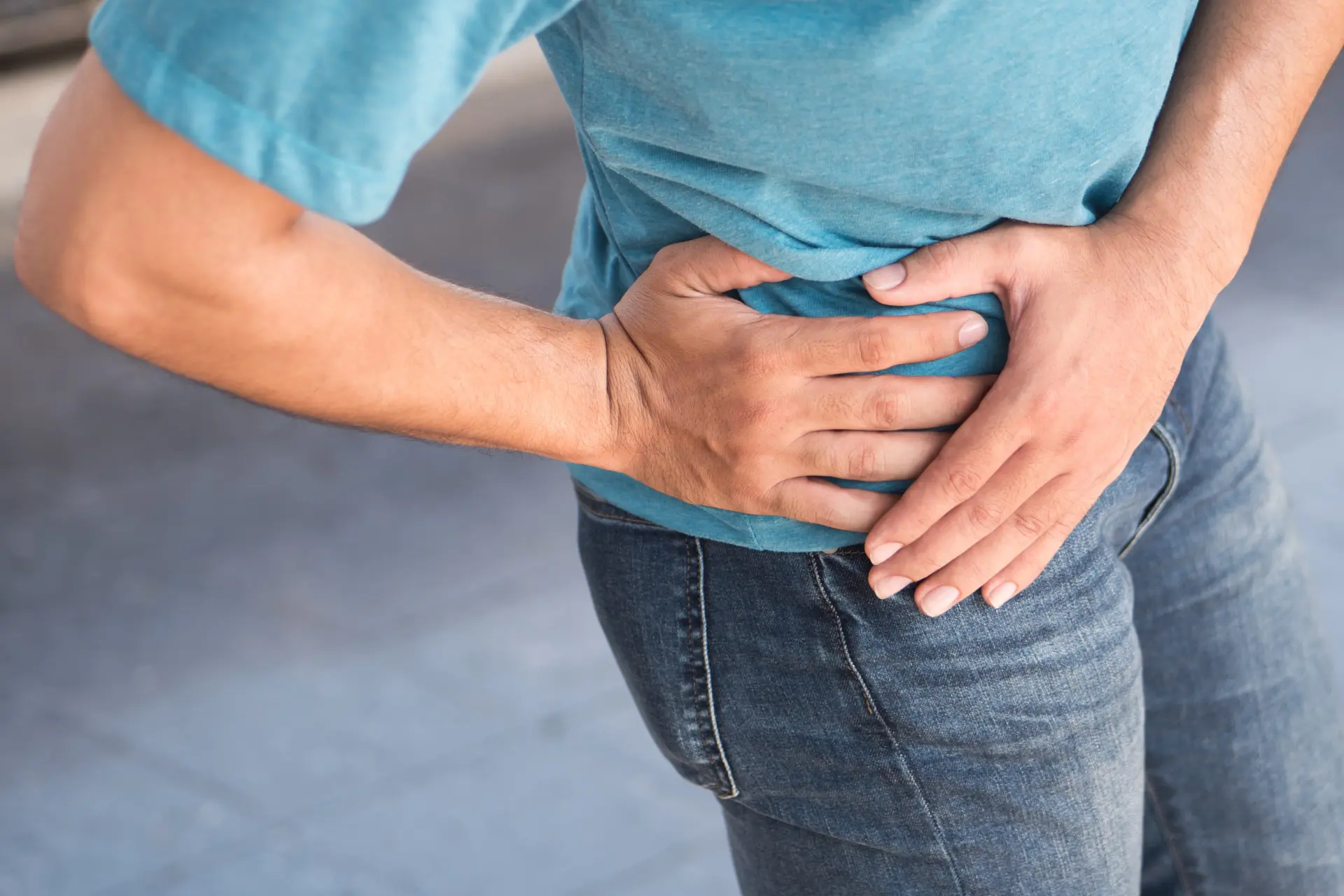

Labral Tear of the Hip (Acetabular Labrum Tear) Symptoms

  • Shoulder pain, often deep or at the back of the joint
  • Pain with overhead or throwing motions
  • Clicking, popping, or catching sensations in the shoulder
  • Shoulder instability or feeling that the shoulder may slip out of place
  • Reduced range of motion or stiffness
  • Weakness in the shoulder or arm
  • Discomfort at night, especially when lying on the affected side


Labral Tear of the Hip (Acetabular Labrum Tear) - Frequently Asked Questions

What causes labral tears?

Sports injuries, structural abnormalities, or degeneration.

Do all tears require surgery?

No. Many tears improve with therapy and activity modification.

Is MRI necessary?

Yes—MRI arthrogram is the best tool for diagnosis.

How long is recovery?

Non-surgical recovery may take weeks; surgical recovery may take months.