
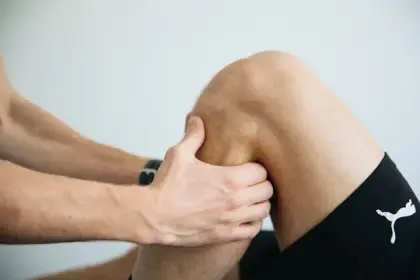
Why Choose Bluegrass Orthopaedics For An Anterior Cruciate Ligament (ACL) Tear Treatment
Bluegrass Orthopaedics (BGO) offers expert care for anterior cruciate ligament (ACL) tears, combining advanced surgical techniques with personalized rehabilitation plans. Our team of sports medicine and orthopaedic specialists provides precise diagnosis, state-of-the-art imaging, and evidence-based treatment to restore stability and function to the knee. From minimally invasive ACL reconstruction to comprehensive post-surgery therapy, BGO focuses on helping patients return to their daily activities and athletic pursuits safely and efficiently. Patients benefit from our experience, compassionate care, and commitment to long-term knee health.
How the Procedure Works
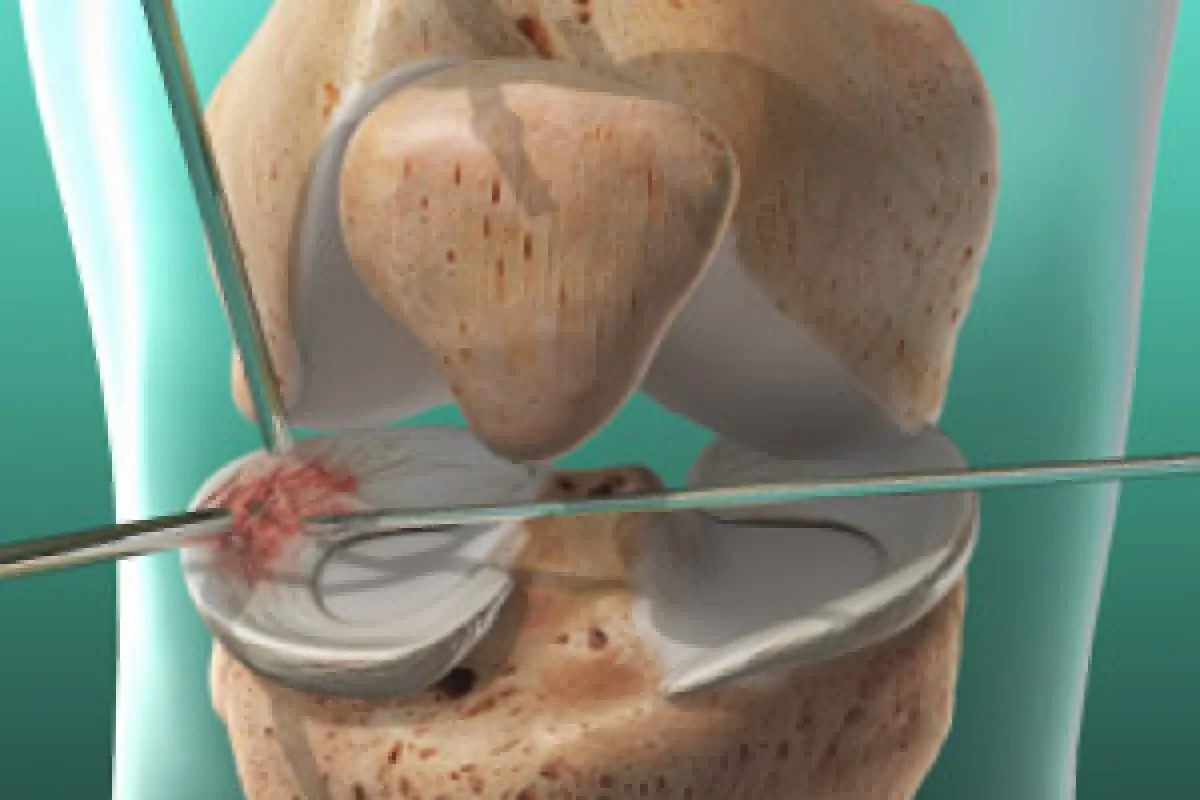
The ACL reconstruction procedure typically begins with a small incision and the use of arthroscopy, a minimally invasive technique that allows the surgeon to view the inside of the knee. The torn ligament is replaced with a graft, often taken from the patient’s own tissue or from a donor, which acts as a scaffold for new ligament growth. The graft is carefully secured to the femur and tibia using specialized screws or fixation devices. After surgery, patients follow a structured rehabilitation program to restore strength, stability, and range of motion, helping them safely return to daily activities and sports.
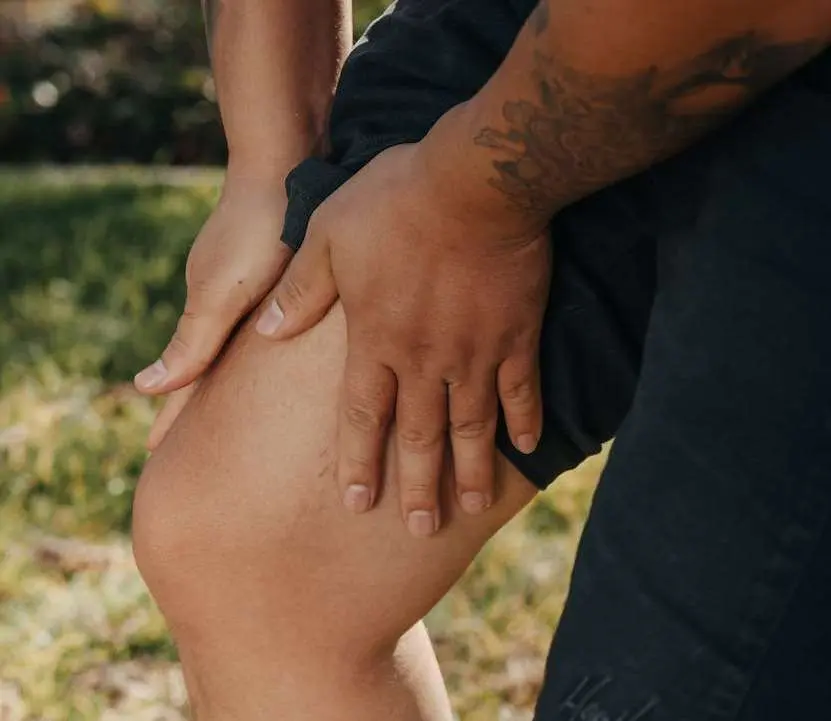
Who Is a Good Candidate?
A good candidate for ACL reconstruction is typically someone who has experienced a complete or significant tear of the anterior cruciate ligament, especially if the injury causes knee instability during daily activities or sports. Patients who are physically active, want to return to sports, or have additional knee injuries that require stabilization are often ideal candidates. Age, overall health, and commitment to post-surgery rehabilitation are also important factors, as successful recovery depends on following a structured physical therapy program to restore strength, mobility, and knee stability.
Symptoms of An Anterior Cruciate Ligament (ACL) Tear
- Sudden “popping” sensation or sound in the knee at the time of injury
- Immediate pain following a twisting or impact injury
- Rapid swelling within the first few hours after injury
- Knee instability or feeling like the knee may “give out,” especially during pivoting movements
- Difficulty bearing weight on the affected leg
- Limited range of motion due to pain and swelling
- Loss of strength in the knee
- Discomfort during walking or athletic activity
- Inability to continue sports or activity at the time of injury