Benefits of Arthroscopic Knee Surgery
Undergoing arthroscopic knee surgery at BGO can offer patients:
- Reduced pain and swelling by removing or repairing damaged cartilage, meniscus, or inflamed tissue
- Faster recovery and shorter downtime compared with traditional open knee surgery
- Preservation of healthy tissue thanks to small incisions and minimal soft-tissue disruption
- Improved joint function, stability, and mobility — helping restore daily activities or athletic performance
- Ability to diagnose and treat multiple knee issues in one procedure (e.g., cartilage damage, meniscus tear, loose fragments)
- Lower risk of complications and scarring compared to open surgery
- Quicker return to walking and daily life, often with outpatient (same-day) discharge
How the Procedure Works
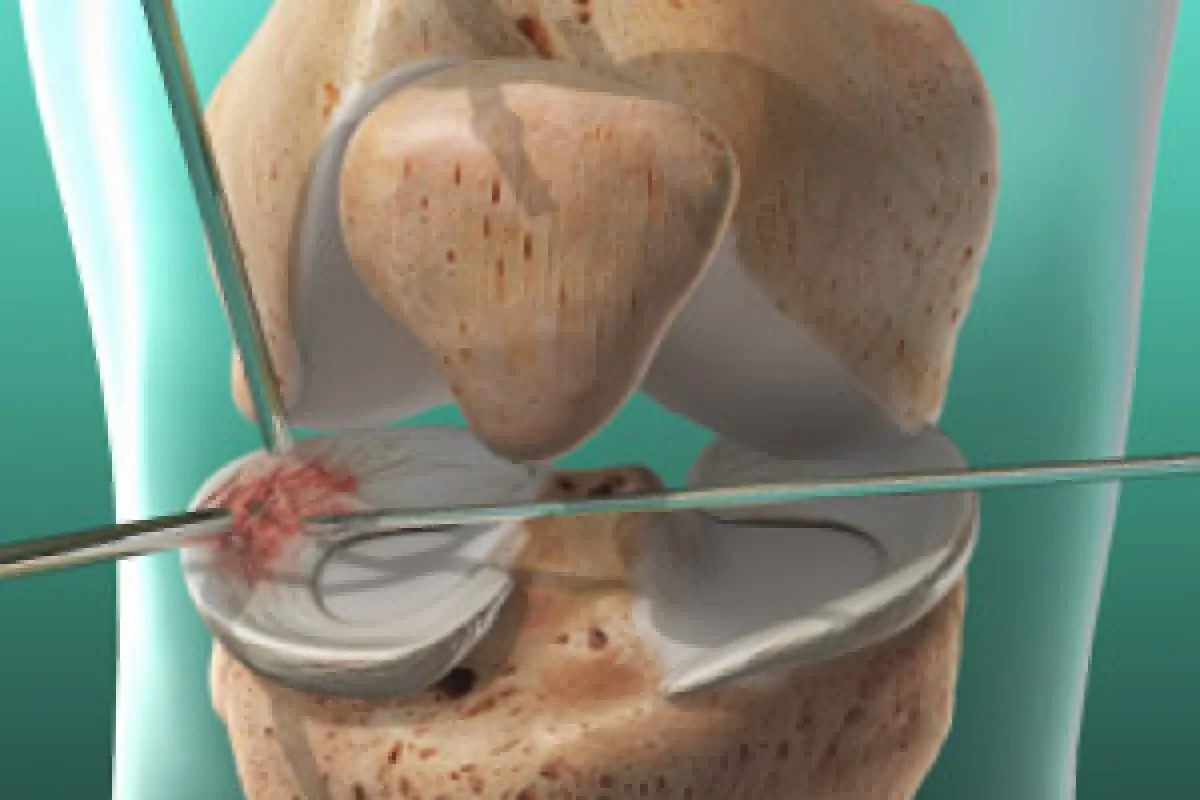
- Arthroscopic knee surgery begins with a few (usually 2–3) small incisions (portals) around the knee. These incisions are typically much smaller than those used in open knee surgery.
- Through one incision, the surgeon inserts an arthroscope — a thin instrument with a light and tiny camera — which transmits clear images of the inside of the knee onto a video monitor.
- Through the other incision(s), specialized surgical tools are inserted. Depending on the diagnosis, the surgeon may trim or repair a torn meniscus, smooth or remove damaged cartilage, remove loose fragments, or address ligament or synovial issues.
- Sterile fluid (saline) is used to gently expand the joint, improving visibility and allowing precise manipulation.
- Once the necessary repairs or treatments are completed, the surgeon drains the fluid, closes the incisions (often with stitches or steri-strips), and applies a dressing.
- Many arthroscopic procedures are done on an outpatient basis — meaning most patients can go home the same day, begin recovery early, and avoid extended hospital stays.
Who Is a Good Candidate?
Arthroscopic knee surgery at BGO may be ideal for individuals who:
- Have persistent knee pain, swelling, catching, locking, or instability that has not improved with non-surgical treatments (rest, physical therapy, activity modification, injections)
- Suffer from injuries or structural damage such as torn meniscus, cartilage damage, loose fragments, ligament injury, or synovial inflammation
- Want to return to an active lifestyle or sports, especially when joint damage is causing functional limitations
- Prefer a less invasive surgical option that minimizes scarring, soft-tissue trauma, and recovery time
- Are in overall good health (able to heal tissue, participate in rehab) and willing to adhere to post-operative physical therapy and follow-up