Why Bluegrass Orthopaedics for Fracture of the Greater Tuberosity
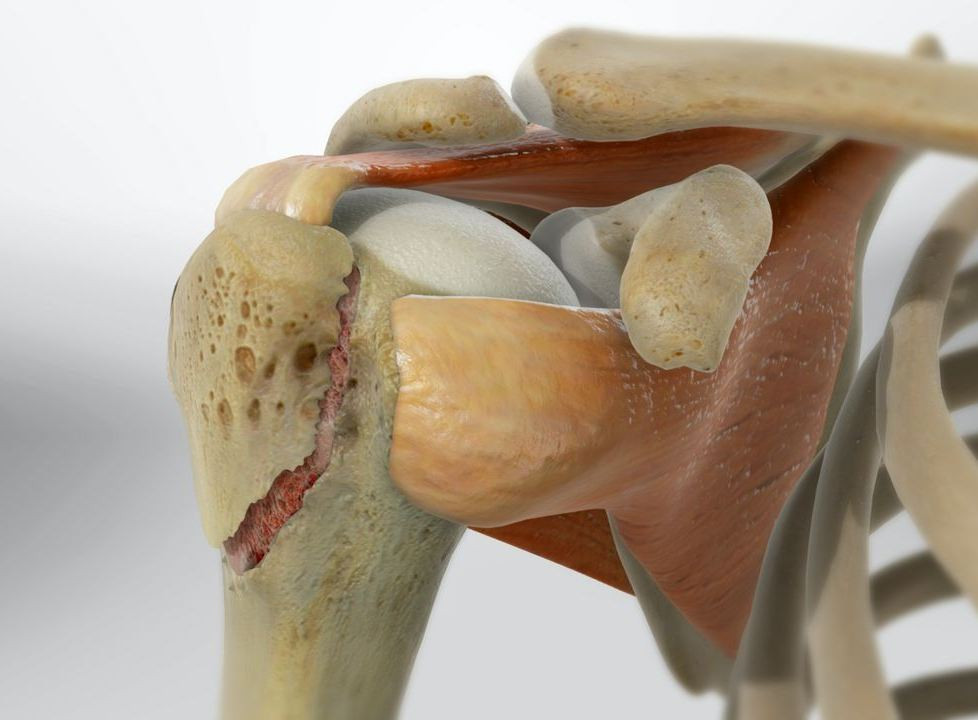
At Bluegrass Orthopaedics, we understand that a fracture of the greater tuberosity affects both the bone and the rotator cuff tendons that control shoulder strength and motion. Our team provides comprehensive, personalized care focused on restoring comfort, function, and long-term shoulder health.
Our board-certified orthopedic specialists have extensive experience treating shoulder fractures, including those associated with rotator cuff injuries or shoulder dislocations. We use advanced imaging and precise evaluations to determine whether non-surgical care or surgical intervention is the best option for your specific injury.
Bluegrass Orthopaedics emphasizes conservative treatment whenever possible, offering sling immobilization, pain management, and carefully guided physical therapy to promote proper healing while preventing stiffness. When surgery is needed, our surgeons use modern, minimally invasive techniques to realign and stabilize the fracture for optimal recovery.
From diagnosis through rehabilitation, Bluegrass Orthopaedics provides coordinated, patient-centered care, including customized recovery plans and close follow-up to ensure safe healing and a return to normal activity. Our goal is not just to heal the fracture, but to restore full shoulder strength, stability, and confidence in movement.
Symptoms of a Fracture of the Greater Tuberosity
- Sudden shoulder pain following a fall, injury, or shoulder dislocation
- Pain when lifting the arm, especially overhead or away from the body
- Weakness in the shoulder, particularly with rotation or raising the arm
- Limited range of motion or inability to move the shoulder normally
- Swelling and tenderness around the shoulder
- Bruising along the upper arm or shoulder
- Pain that worsens at night or when lying on the affected side
- Clicking or catching sensation with shoulder movement (in some cases)