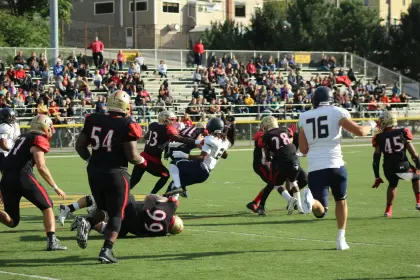
Why Bluegrass Orthopaedics for a Shoulder Dislocation
Bluegrass Orthopaedics provides expert, timely care for shoulder dislocations with a team of fellowship-trained shoulder specialists experienced in both acute injuries and recurrent instability. Our providers use advanced imaging and evidence-based evaluation to determine the extent of soft-tissue damage and create a personalized treatment plan that prioritizes safety, stability, and long-term shoulder health. Patients benefit from on-site diagnostics, skilled reduction procedures, comprehensive rehabilitation, and access to minimally invasive arthroscopic surgery when needed. With a strong focus on patient education, communication, and efficient recovery, BGO ensures you receive comprehensive support from the moment of injury through full return to activity.
Symptoms of Shoulder Dislocation
- Sudden, severe shoulder pain, often immediately after an injury or fall
- Visible deformity, with the shoulder appearing “out of place” or flattened
- Inability to move the arm or a feeling that it’s “stuck”
- Swelling and bruising around the joint
- Muscle spasms, which can increase pain and limit movement
- Numbness or tingling down the arm or into the hand
- Weakness in the shoulder and arm
- A sense of instability, especially in cases of repeat dislocations