Learn More About Spondylolisthesis
Why Bluegrass Orthopaedics for Spondylolisthesis
- Evaluation of vertebral slippage and spine stability
- Assessment of lower back pain, leg symptoms, posture, and imaging studies
- Determine the presence and severity of spondylolisthesis and its impact on spinal stability and nerve function
- Non-surgical treatment for mild to moderate spondylolisthesis
- Conservative care when appropriate
- May include physical therapy, activity modification, core strengthening, bracing, and medications to manage symptoms and support spine stability
- Surgical treatment for progressive or symptomatic slippage
- For patients with worsening pain, neurologic symptoms, or unstable slippage
- Advanced surgical options to stabilize the spine, relieve nerve compression, and restore alignment
- Care from experienced spine and orthopedic specialists
- Extensive expertise in diagnosing and treating spondylolisthesis
- Use of advanced techniques to help patients return to daily activities with improved comfort, strength, and mobility
Symptoms of Spondylolisthesis
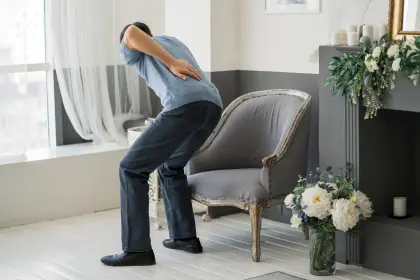
- Lower back pain or neck pain (depending on the affected area)
- Stiffness and reduced flexibility in the spine
- Radiating leg or arm pain if nerve compression occurs
- Numbness or tingling in the legs, feet, arms, or hands
- Muscle weakness in the legs or arms
- Difficulty walking or standing for long periods
- Visible changes in posture (some people may develop a swayback or exaggerated curve)
- Tight hamstrings due to altered spinal alignment
Early evaluation is important to prevent worsening slippage, nerve compression, and long-term spinal problems.